Fall is the perfect time to inspect your property’s drainage system. With leaves falling, temperatures dropping, and winter storms approaching, it’s critical to make sure your yard and home can handle seasonal moisture. Ignoring drainage issues in autumn can lead to water damage, soil erosion, and frozen problem areas when winter arrives.
Here are 7 practical tips for drainage inspection in the fall to help you catch problems early and keep your property protected.
1. Walk the Property After a Rainstorm
One of the easiest ways to evaluate drainage is to simply observe your yard after a heavy rainfall. Look for:
- Standing water or puddles that remain for more than 24 hours
- Water flowing toward your home’s foundation
- Saturated lawn areas that feel spongy or muddy
2. Inspect Downspouts and Gutters
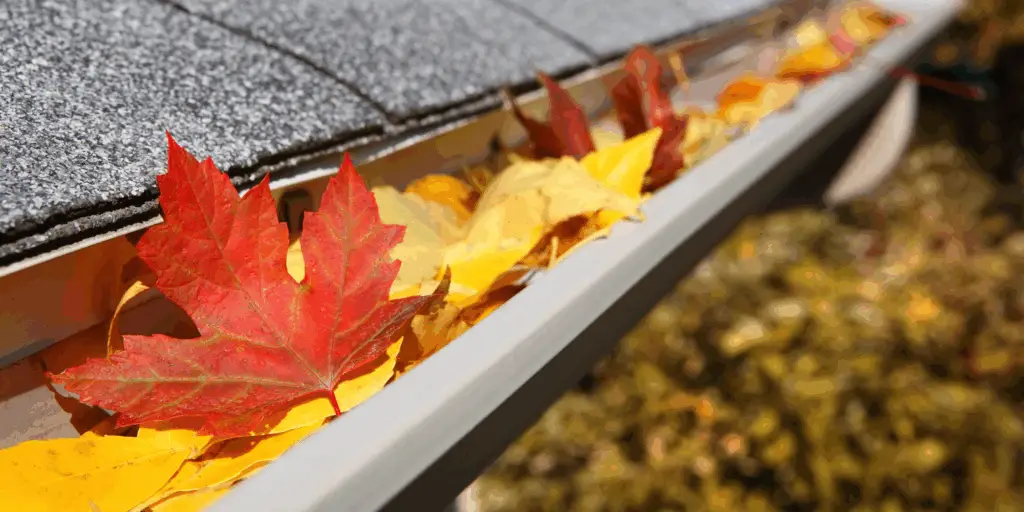
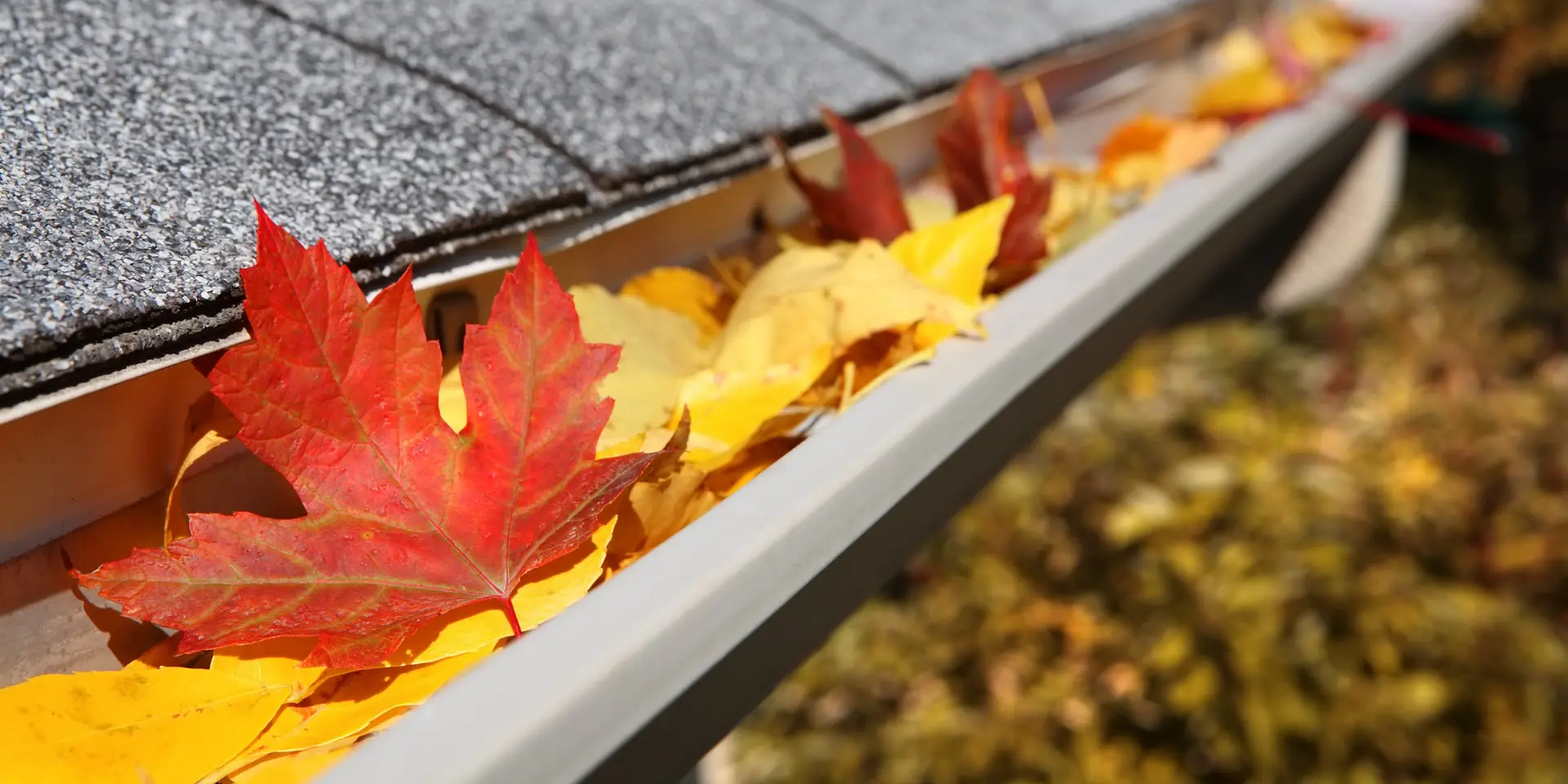
Clogged gutters are one of the most common causes of poor drainage. Leaves, twigs, and debris can block the flow of water, causing it to overflow and pool around the foundation.
What to do:
- Clean gutters and downspouts thoroughly
- Ensure downspouts are extended at least 4–6 feet away from the home
- Consider adding splash blocks or downspout extenders
Tip: Install gutter guards to minimize future leaf buildup.
3. Check Grading Around the Foundation
Your yard should be graded to slope away from the home so water doesn’t collect near the foundation or basement walls.
How to inspect:
- Look for soil that’s settled or eroded near the foundation
- Make sure the slope directs water away by at least 6 inches over the first 10 feet
- Fill in low spots with compacted soil and regrade if needed
4. Look for Erosion or Washed-Out Areas
Soil erosion, especially around beds, retaining walls, or pathways, is a sign that water isn’t draining properly.
Common signs include:
- Exposed roots or plant beds losing mulch
- Sediment collecting at the base of slopes
- Undermined walkways or patio edges
Fix it fast: Add ground cover plants, mulch, or stone to stabilize slopes and redirect water.
5. Test Your French Drains or Dry Wells
If your property uses a French drain, dry well, or similar drainage solution, fall is the time to check that they’re still working.
How to test:
- Pour water into the intake and watch for proper outflow
- Look for blockages, especially from fallen leaves or sediment
- Ensure gravel and piping are intact and free of roots or debris
6. Inspect Driveways and Hardscapes
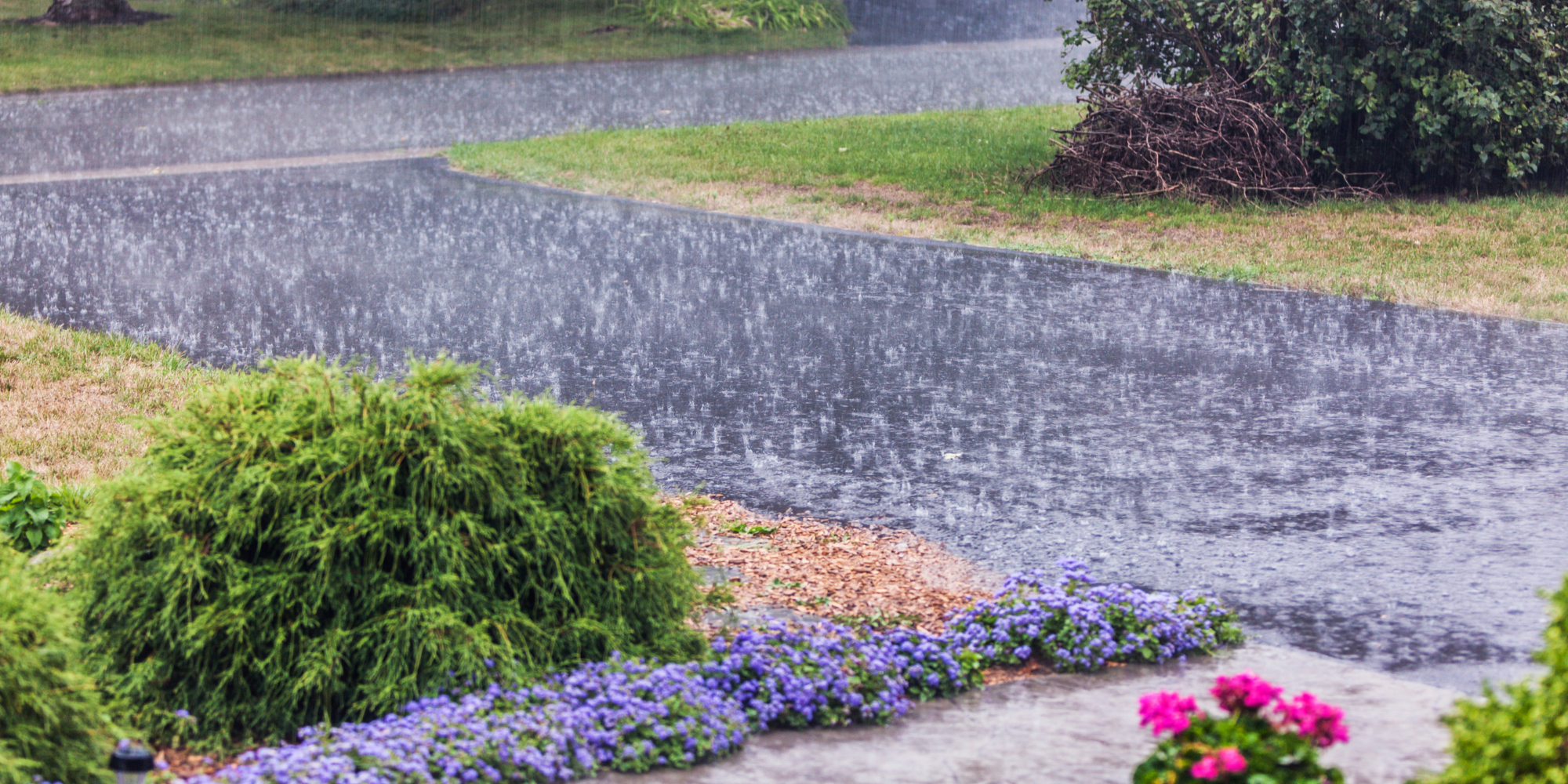
Check concrete or paver areas for pooling water, cracks, or frost-heave damage. Water that collects on hard surfaces can lead to slipping hazards in winter and structural damage over time.
Fall maintenance tips:
- Seal cracks to prevent water from seeping in and freezing
- Re-level uneven pavers or install channel drains if needed
7. Clear Yard Drains and Stormwater Outlets
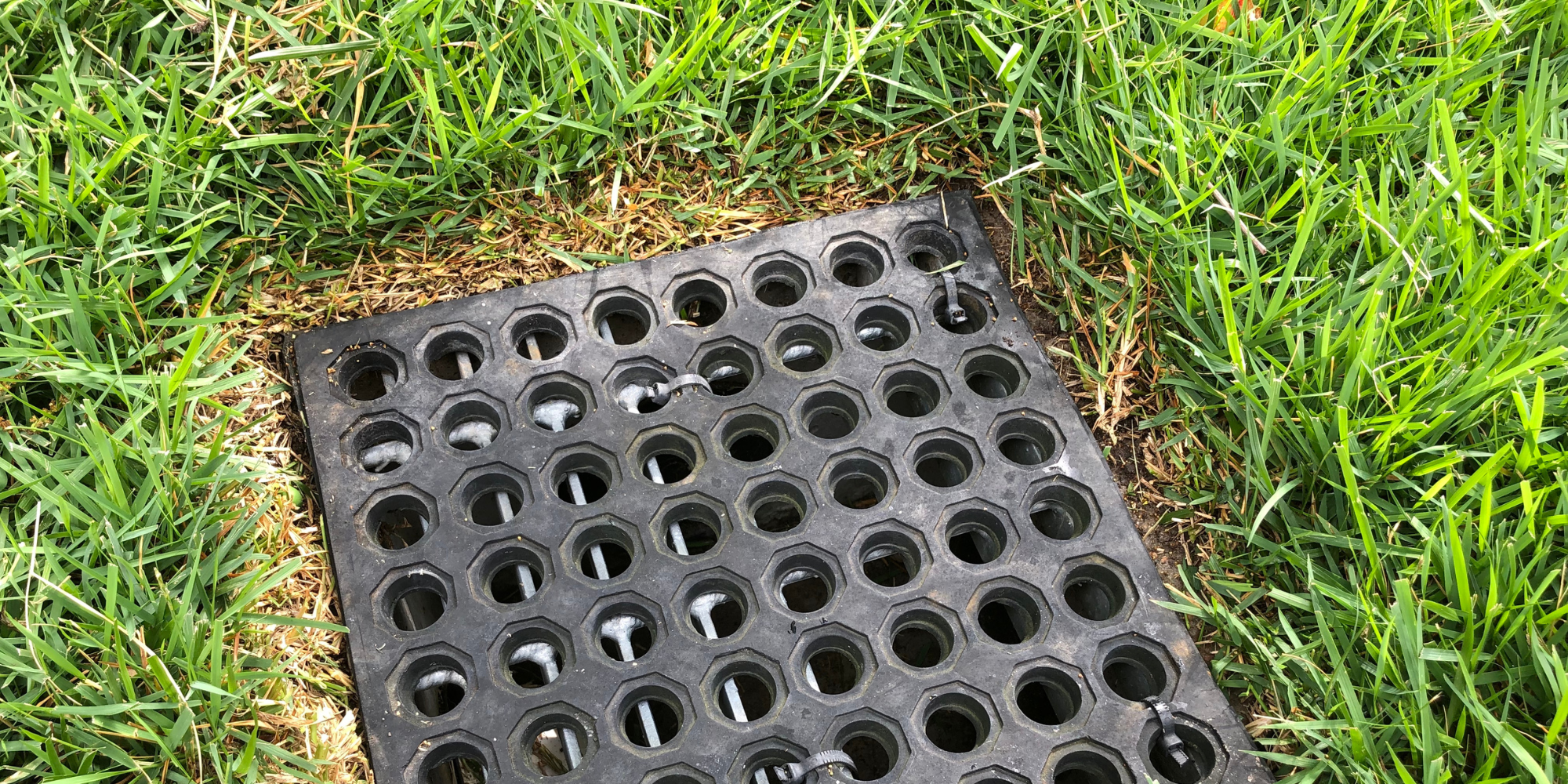
If your property has yard drains, swales, or culverts, it’s essential to clear them before leaf buildup blocks water flow.
What to look for:
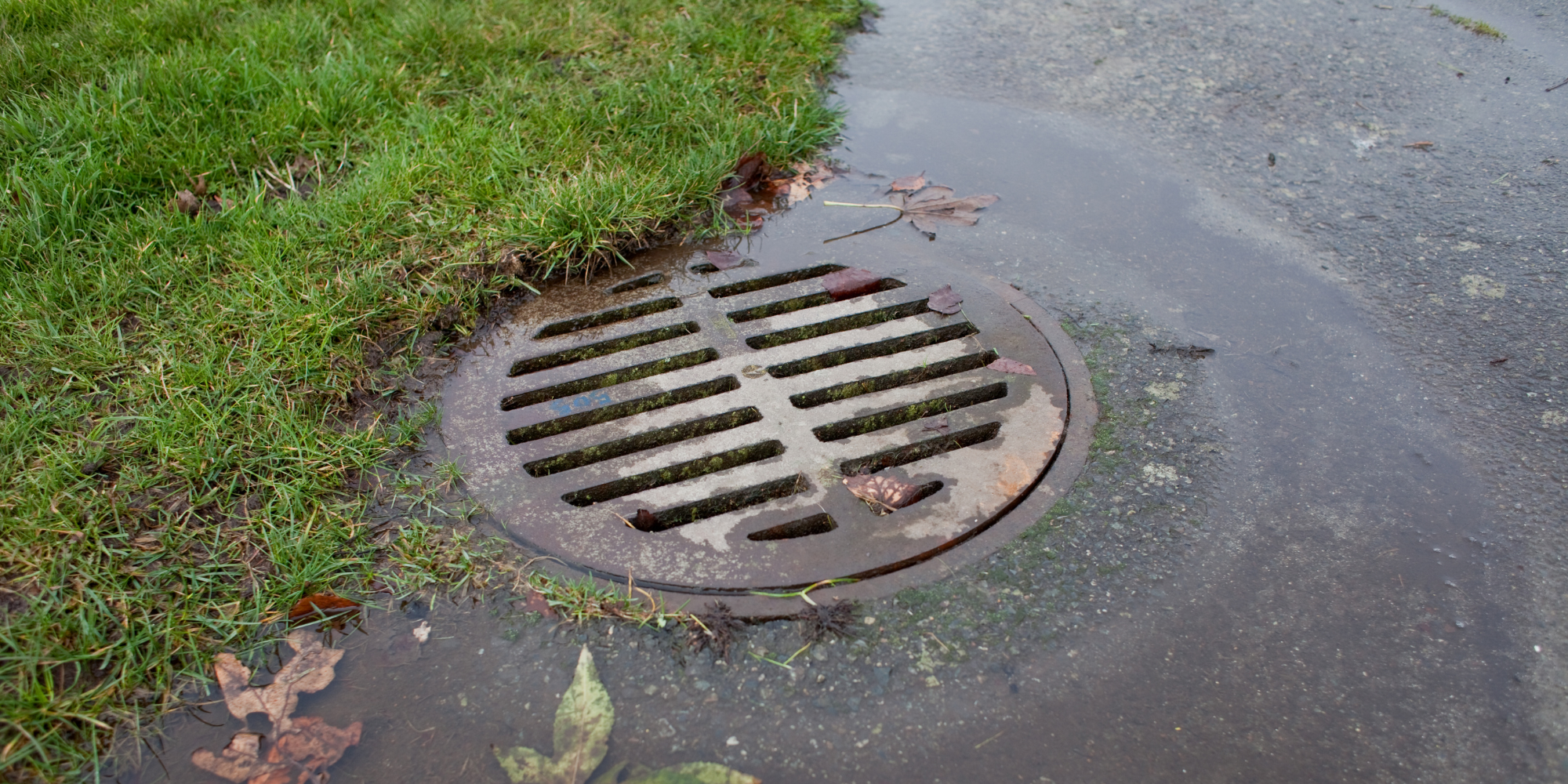
- Leaves and debris clogging grates or inlets
- Sediment or roots blocking pipe flow
- Water backing up during heavy rain
Tip: Flush yard drains with a hose to check for flow issues and clean them out as needed.
Drainage issues don’t go away on their own—and in colder months, they often get worse. A quick inspection in the fall can help you identify and correct small problems before they lead to major damage. By following these tips, you’ll help your landscape and foundation stay dry, stable, and safe through the fall and winter months. Scenic-FX is here to help you inspect your yard! Request your free project estimate today.