
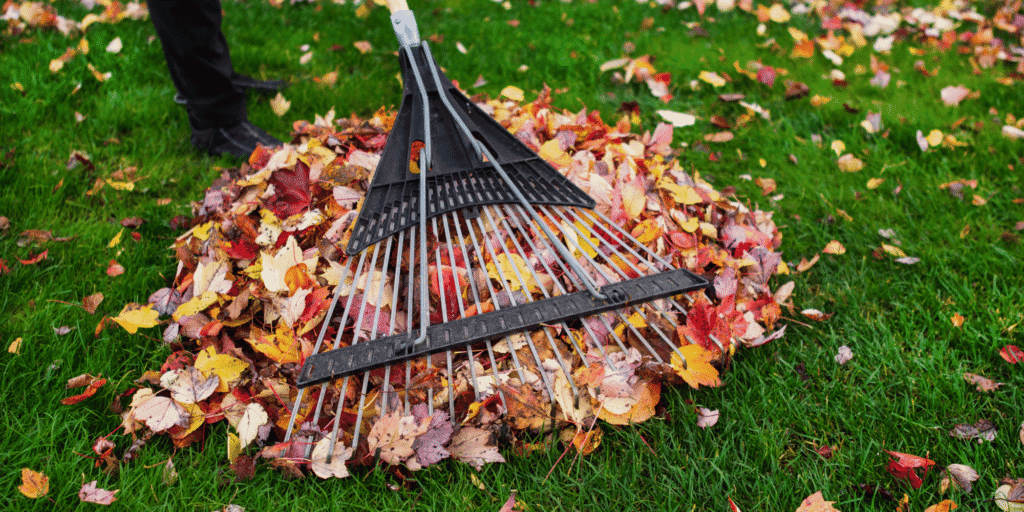
The days are getting shorter, the air has that first hint of crispness, and here in Geauga County that means one thing: winter is on its way. Before the leaves pile up and the first freeze hits, now is the time to get your property ready for the season ahead—and set yourself up for a much easier spring.
Here are 8 tasks to complete before fall and winter to protect your investment and keep your outdoor space looking its best.
1. Inspect and Improve Drainage
Fall rains have a way of exposing every weak spot in your yard’s drainage. Left unaddressed, that water doesn’t just disappear—it leads to flooding, foundation issues, and lawn damage once the ground freezes and thaws.
What to do:
- Watch for standing water or soggy spots after a heavy rain.
- Clear gutters and downspouts so water has somewhere to go.
- Extend downspouts away from your foundation.
- Consider a French drain or regrading if certain areas pool up every time it rains.
Pro tip: Fixing drainage issues now is far easier—and cheaper—than dealing with a cracked patio or heaved walkway after a winter of freeze-thaw cycles.

2. Clean and Reseal Your Patio
Your patio takes a beating over the winter months if it isn’t prepped first. Moisture, road salt, and freezing temperatures can stain, crack, and pit concrete, stone, and pavers alike.
Fall patio checklist:
- Sweep away leaves and debris on a regular basis.
- Power wash to remove built-up moss, mildew, and stains.
- Reseal stone or concrete surfaces to lock out moisture.
- Store or cover patio furniture, cushions, and cookware to prevent rust and cracking.
3. Tackle Leaf Cleanup
Fallen leaves are pretty for about a week—after that, they’re a problem. A thick, wet layer of leaves can smother your lawn, clog drains, and create a genuinely slippery hazard on walkways and steps.
What to do:
- Rake or mulch leaves weekly, especially near mature trees.
- Use shredded leaves as mulch for garden beds or add them to a compost pile.
- Keep leaves clear of drains, downspouts, and foundation walls.
Avoid the mistake: Wet, matted leaves left on the lawn are one of the most common causes of dead grass and lawn disease come spring.
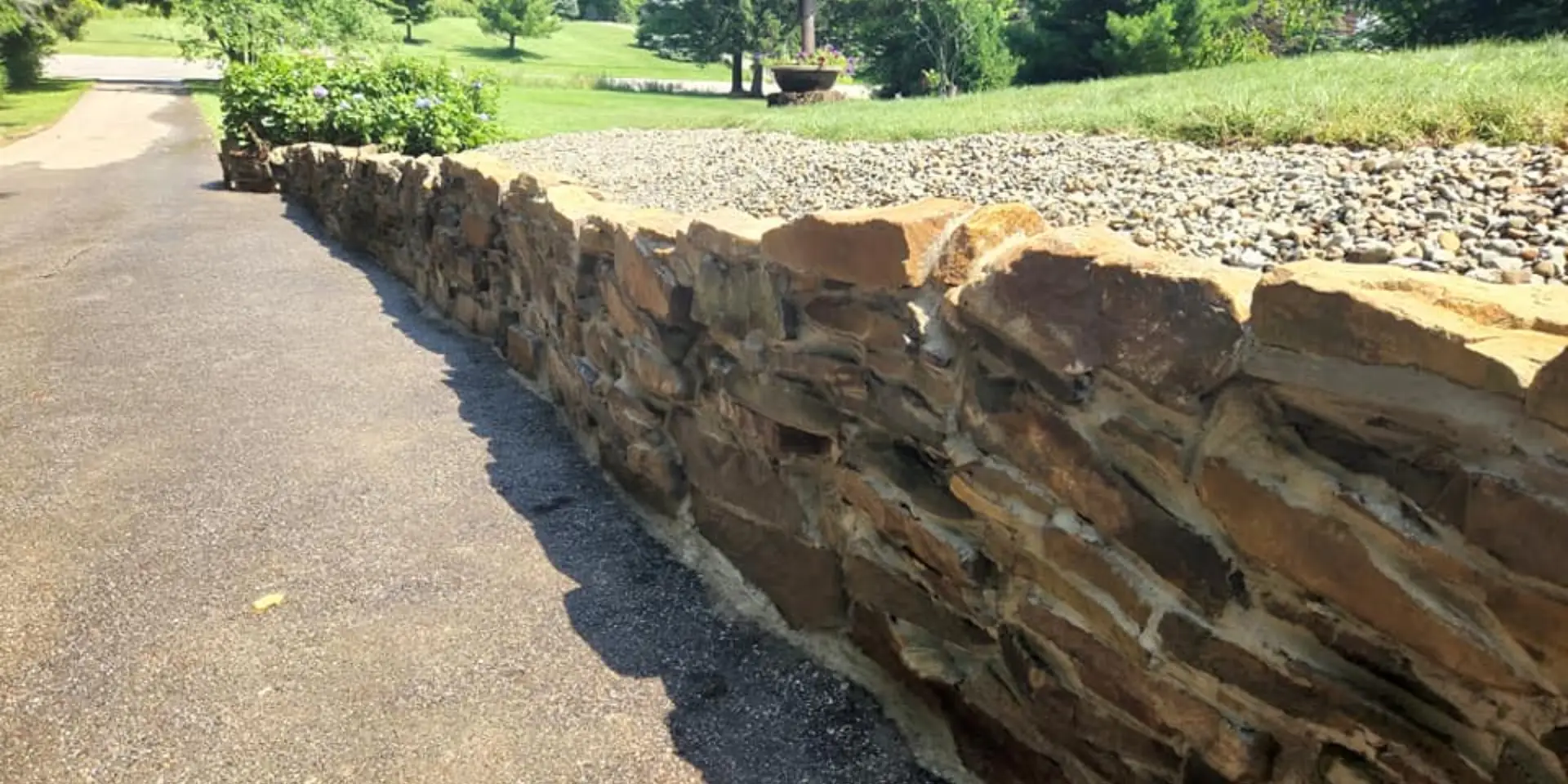
4. Give Your Retaining Walls a Once-Over
Retaining walls do quiet, important work holding back soil and managing grade changes on your property—but freeze-thaw cycles are hard on them if they’re not properly maintained.
What to check:
- Bulging, leaning, or shifting sections of the wall.
- Cracks in stone, concrete, or block that could let water in and expand when it freezes.
- Drainage behind the wall—clogged or missing drainage is one of the leading causes of retaining wall failure.
Pro tip: A small crack you catch in October is a quick fix. That same crack left through winter can turn into a much bigger, costlier repair by spring.
5. Prep Your Fence for Winter
Snow, ice, and freezing ground can all put stress on a fence you might not think about until spring reveals the damage.
What to do:
- Check posts for looseness or leaning—frozen, saturated soil can make existing issues worse.
- Tighten or replace loose hardware, hinges, and latches.
- Clean and reseal wood fencing to protect against moisture.
- Trim back nearby branches that could snap and fall under snow or ice.
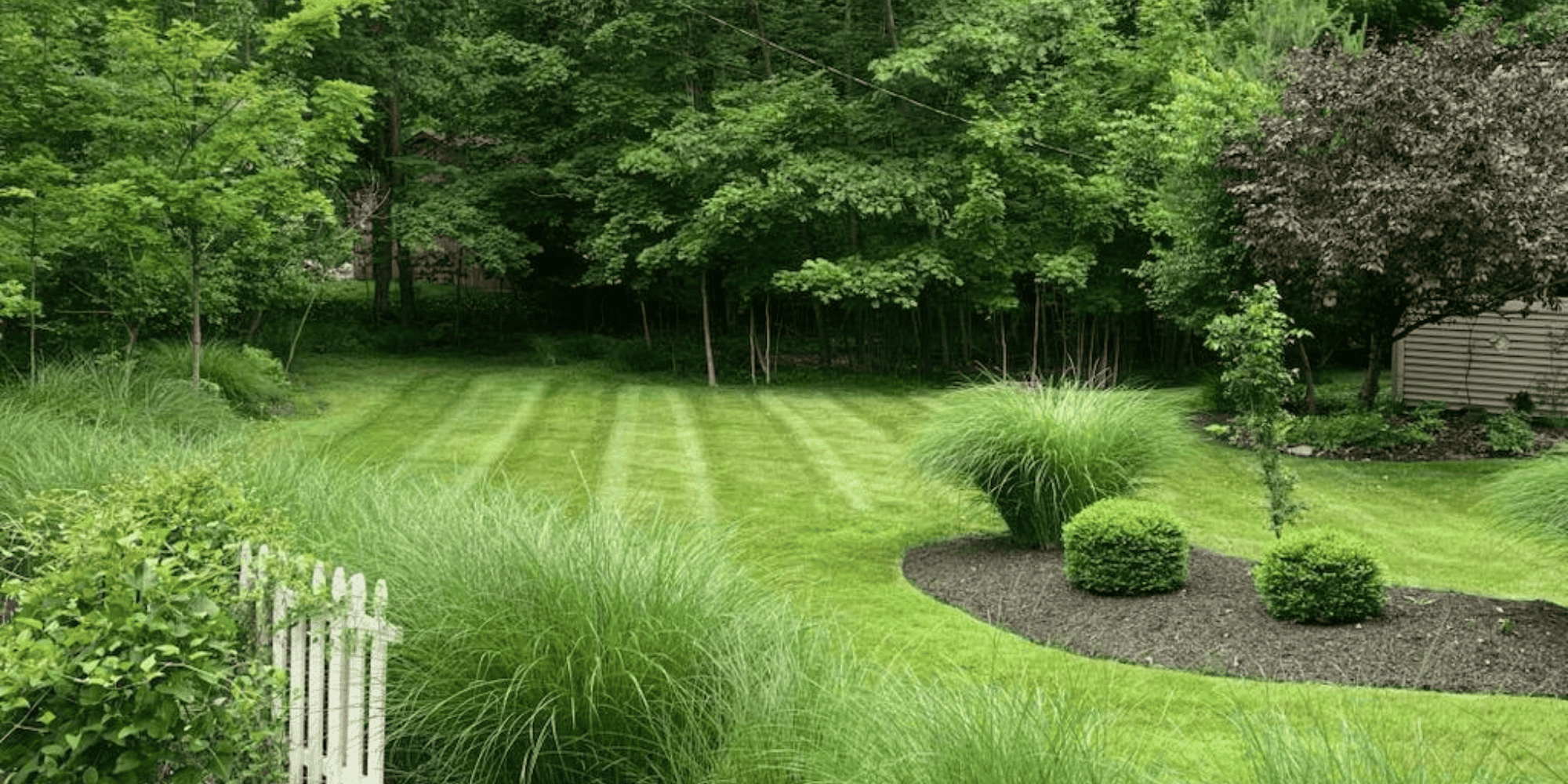
6. Prepare the Lawn for Spring
It might seem counterintuitive, but fall is actually the best time to build a healthier, greener lawn. Cooler temperatures and steady rainfall give grass the ideal conditions to establish strong roots before winter dormancy.
Essential fall lawn care tasks:
- Aerate compacted soil to improve water and nutrient absorption.
- Overseed thin or bare patches.
- Apply a fall-specific fertilizer to support root development.
- Continue mowing as needed, gradually lowering the blade height with each cut.
7. Clean and Mulch Garden Beds
Your garden beds need a little attention before winter to protect what’s already planted and set the stage for next season.
Fall bed maintenance tips:
- Pull dead annuals and cut back perennials as needed.
- Remove weeds before they have a chance to go to seed.
- Add 2–3 inches of fresh mulch to insulate roots and suppress weed growth over winter.
Bonus benefit: A good layer of mulch also improves drainage around plants and helps prevent soil erosion through winter storms.
8. Check Hardscape and Walkway Safety
Cracks and uneven spots that seem minor in September can become genuine safety hazards once ice enters the picture. Fall is the smart time to inspect and repair.
Look for:
- Cracks or uneven areas in pavers, stone, or concrete.
- Loose railings, steps, or handrails.
- Moss or algae buildup on walkways—clean it now to prevent falls once things freeze over.
Fall and winter can be tough on a property, but a little preparation now goes a long way. By tackling these tasks before the cold sets in, you’ll protect your landscaping investment, avoid costly repairs, and set your property up for a smooth, beautiful spring.