Retaining walls are not just attractive landscaping features—they’re also hard-working structures that prevent soil erosion, manage water runoff, and create usable space on sloped properties. But like any part of your outdoor environment, they can wear down over time if not properly maintained.
Whether your wall is made of stone, concrete, timber, or blocks, here are some smart ways to avoid damage and extend the life of your retaining wall.
1. Watch for Signs of Pressure Buildup
Retaining walls are designed to resist lateral pressure from the soil behind them. But when that pressure increases—due to poor drainage, saturated soil, or added weight—the wall can crack, bulge, or even fail.
What to do:
- Avoid heavy loads (like parked vehicles or large sheds) directly behind the wall
- Keep the soil level behind the wall properly graded
- Look for early warning signs like tilting, cracking, or bulging sections
Tip: A wall leaning forward or bowing is a red flag that needs professional attention.
2. Ensure Proper Drainage Behind the Wall
One of the most common causes of retaining wall failure is poor drainage. Without a way for water to escape, hydrostatic pressure builds up behind the wall, leading to cracks or collapse.
Drainage tips:
- Make sure your wall includes drain pipes (weep holes) or gravel backfill
- Check that weep holes aren’t blocked by debris or sediment
- Direct surface runoff away from the wall with swales or grading
Bonus: Adding a French drain behind the wall can further protect against excess water pressure.
3. Control Erosion Above and Around the Wall
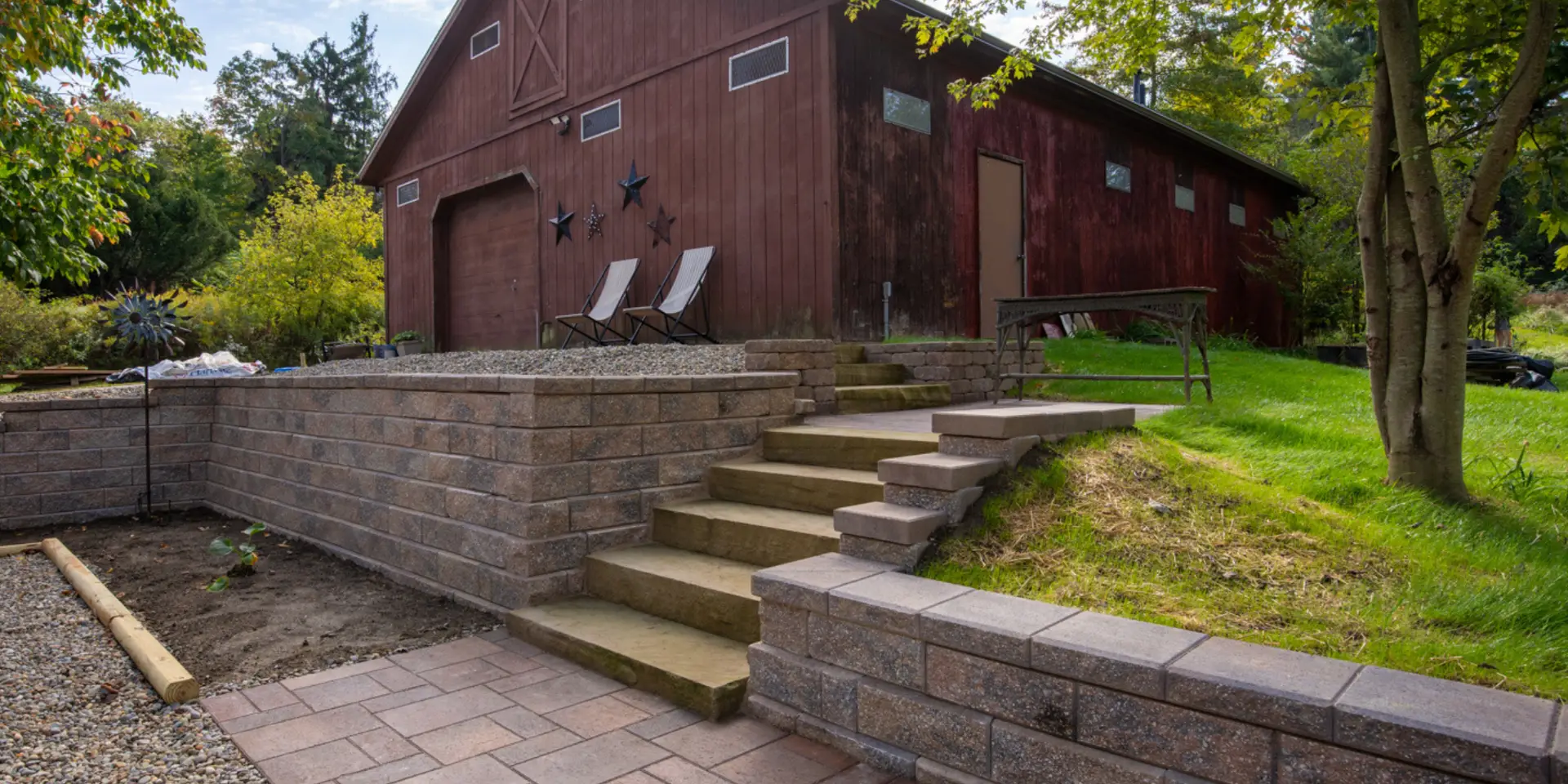
Erosion from rainfall or irrigation can wash soil and mulch down onto your retaining wall, clogging drains and increasing pressure.
How to prevent it:
- Add mulch or ground cover plants to stabilize exposed soil
- Install edging or barriers to slow runoff
- Divert gutter downspouts away from the wall base
4. Keep Vegetation in Check
While plants can help with erosion control, aggressive root systems can also push apart retaining wall materials and weaken the structure over time.
What to do:
- Avoid planting trees or large shrubs close to the wall
- Trim nearby vegetation regularly
- Choose low-maintenance ground covers or native plants with shallow roots
Best practice: Use landscape fabric behind the wall to block weeds and roots from invading the structure.
5. Inspect Your Wall Seasonally
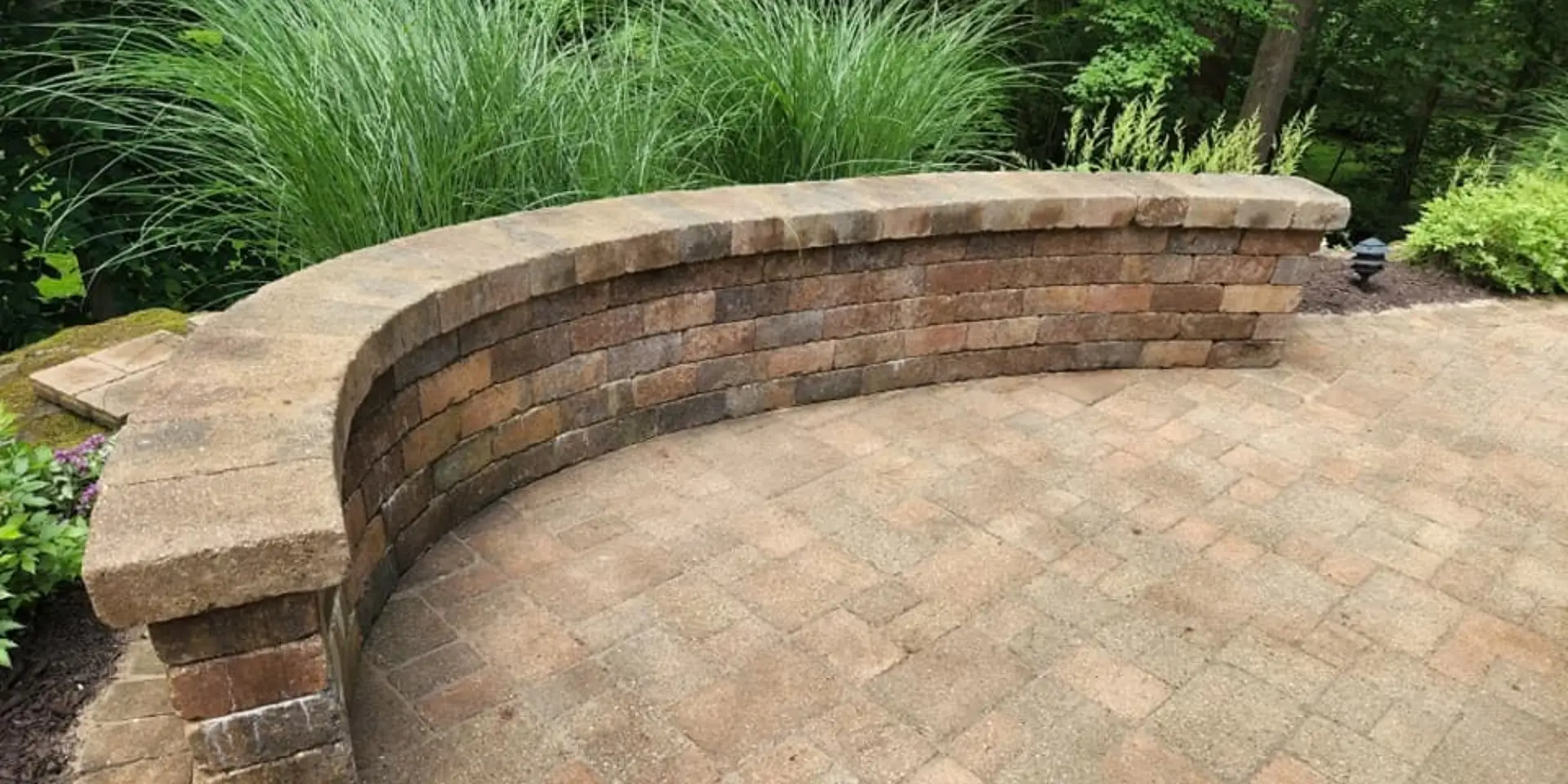
Like any outdoor structure, retaining walls benefit from seasonal checkups. Temperature changes, moisture, and shifting soil can all cause wear over time.
Your fall and spring checklist:
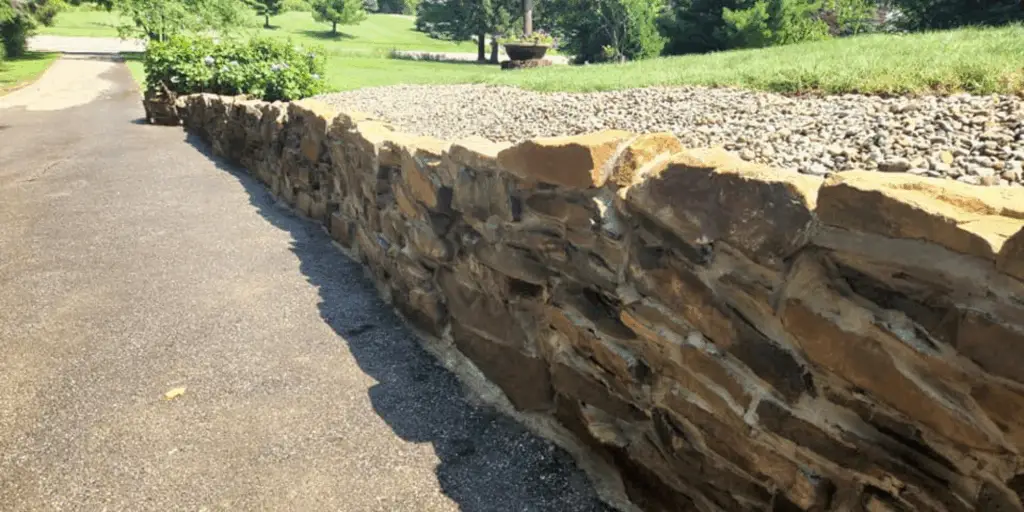
- Look for cracks, loose stones, or crumbling mortar
- Check for blocked drains or pooling water
- Monitor any changes in wall alignment
Pro tip: Document any issues with photos so you can track changes over time.
6. Address Small Issues Early
Minor problems like a loose block or small crack may seem harmless—but they can quickly worsen if ignored.
Fix early:
- Repack displaced gravel or soil behind the wall
- Replace or re-secure loose stones or bricks
- Seal cracks with appropriate masonry or concrete filler
When in doubt: Call a professional. Early repairs are always cheaper than full rebuilds.
A well-built retaining wall is an investment in both beauty and function—but it needs regular attention to stay strong. By managing water, preventing erosion, and addressing issues early, you can keep your wall intact and attractive for decades.
Need help inspecting or repairing your retaining wall? Reach out to Scenic-FX for a free estimate.